Gravitational waves are incredibly faint by the time they reach Earth. Detecting them requires isolating the detector from the restless surface world. Underground, seismic vibrations are weaker, and the surrounding rock provides a natural shield against disturbances that would overwhelm the detectors.
But the real challenge is something subtler: Newtonian noise.
“Newtonian noise is like the invisible tug of gravity caused by everything around us,” explains. Prof. Dorota Rosińska (University of Warsaw, the Einstein Telescope Collaboration). “When the ground shifts ever so slightly, or even when air pressure changes, these movements create tiny variations in the local gravitational field. Our detectors feel these changes directly, as if the Earth itself is whispering in the background. Unlike ordinary vibrations, you cannot shield against gravity — the only way to reduce this noise is to go deep underground, where the movements of the ground are much weaker. This is why ET must be built below the surface: underground conditions can be ‘quiet’ enough for the observatory to reach its full sensitivity — beyond what is possible for surface-based detectors.”
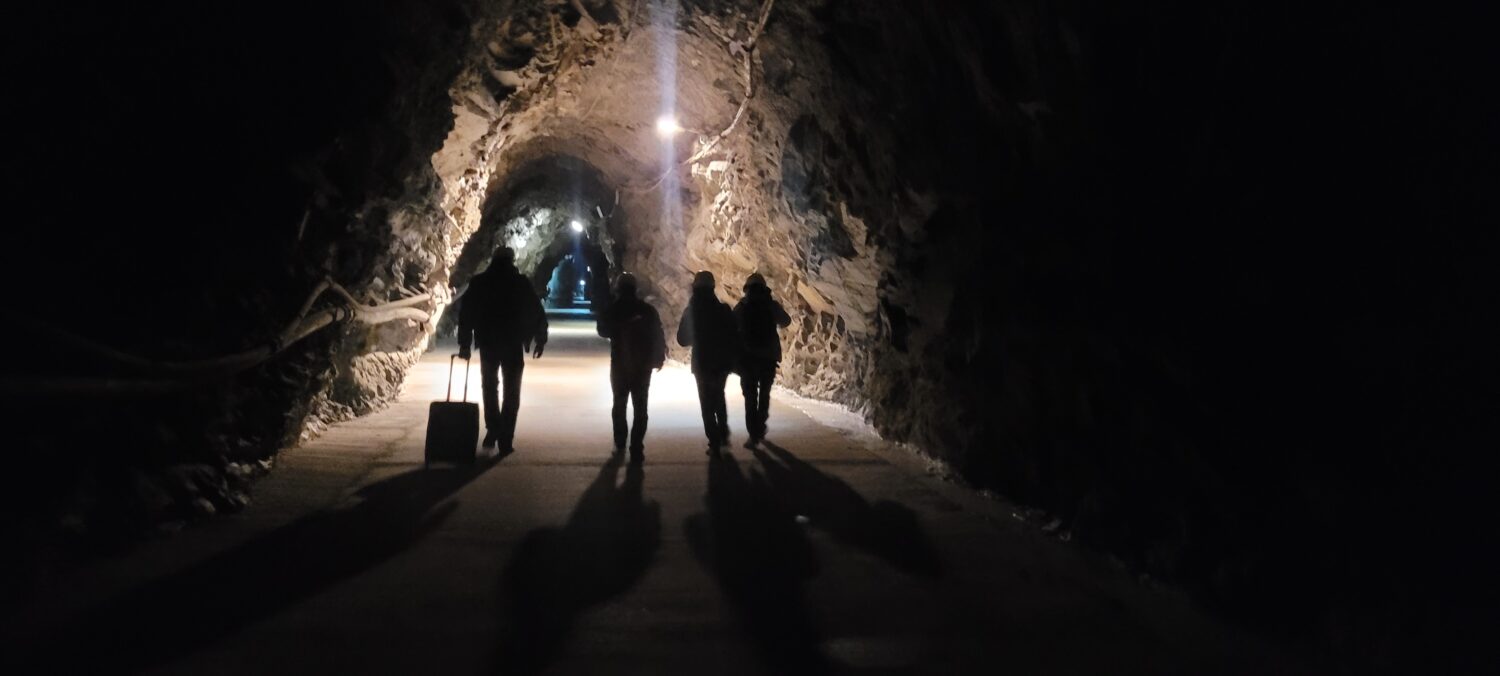
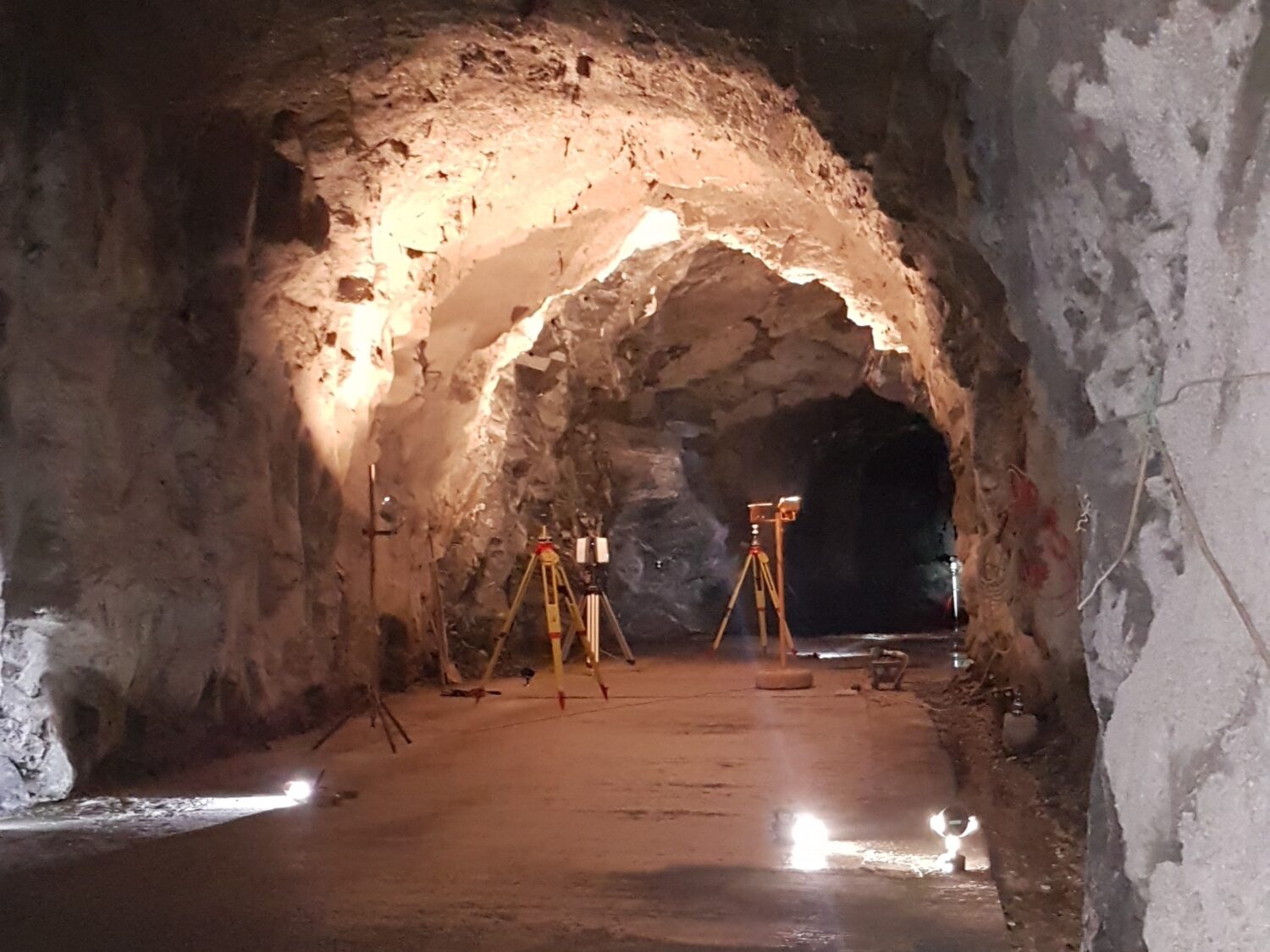 Inside the Sos Enattos mine. The Sos Entattos area is one of the candidate sites for the Einstein Telescope.
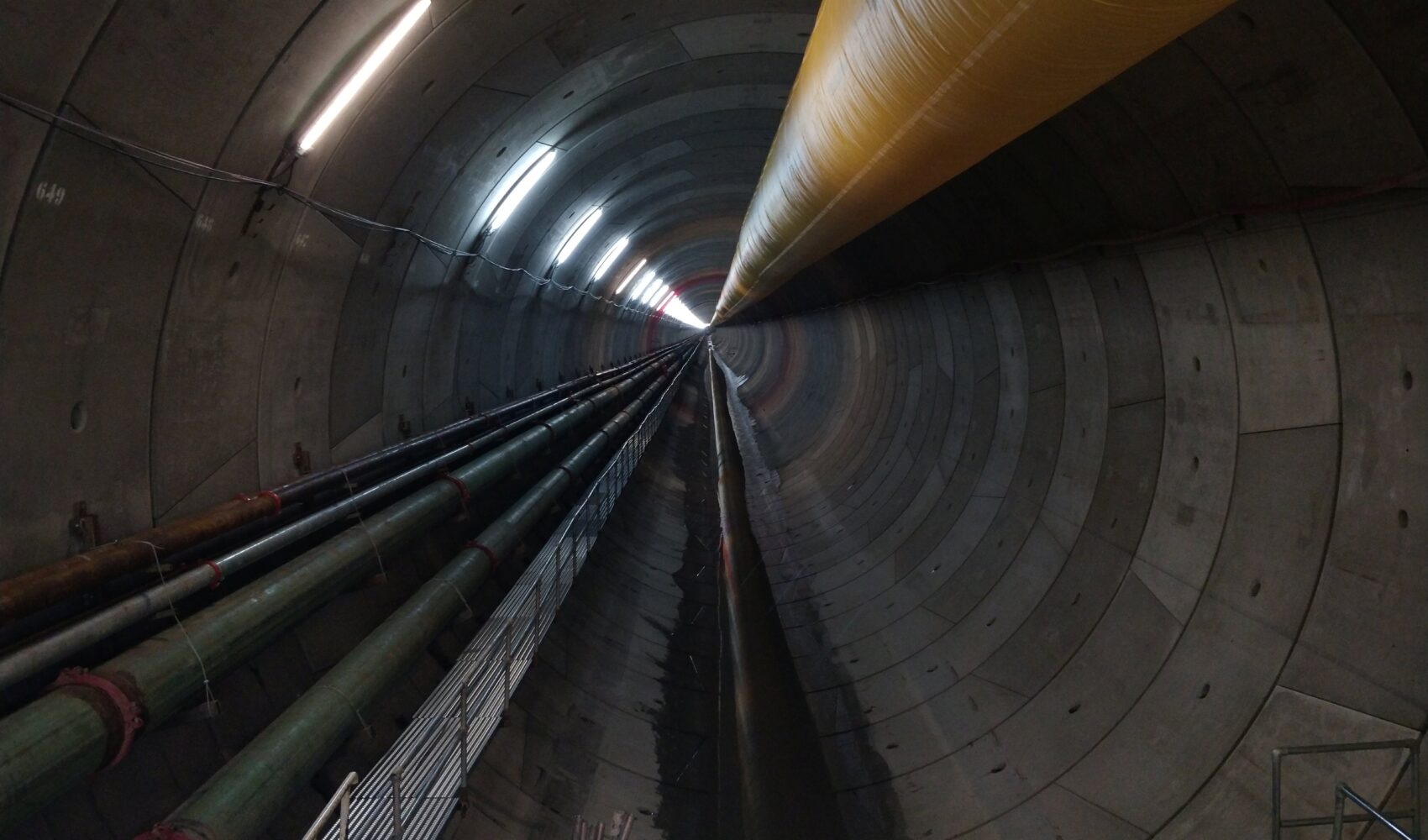
The ET underground network will be truly remarkable: tunnels extending for tens of kilometres to host the longest vacuum pipe systems ever created, massive caverns to house the instruments, and access shafts connecting the underground world with the surface.
“Developing the technical infrastructure for a groundbreaking research facility like the Einstein Telescope is a monumental task,” explains Jean-Philippe Tock, Accelerators Coordination and Engineering Group Leader at CERN. “It involves civil engineering, electrical systems, advanced cooling and ventilation, — especially complex for an underground environment — as well as specialised handling, transportation, and access systems without forgetting the cryogenics infrastructure.”
Most ET facilities will be hidden deep underground. What will it feel like to actually step into such a place?
Patrick Werneke, Head of the Engineering Department at the Einstein Telescope Organisation (ETO), offers a glimpse of what the facility will actually look like: “To reach the underground facility, you will take an elevator that takes you about 250 metres below the surface. At the bottom, you’ll arrive at a central hub, called a vertex, which opens into a series of large and small caverns. Some of these spaces are truly impressive — with current designs anticipating caverns in the order of a few tens of meters wide, up to around a hundred meters long, and a few tens of meters high. Inside the caverns there will be the vacuum towers that protect the ultra-sensitive optical systems from vibration. Around the towers are clean rooms where temperature, humidity, and dust are carefully controlled. Large observation windows allow you to look inside and get a close view of the experimental setup. From each vertex, you can enter an extensive network of tunnels. The main tunnels, about 10 to 15 kilometres long and 6 to 7 metres in diameter, will contain the vacuum tubes for the laser interferometers connecting the vertices.”
And what about the everyday routine? Does working underground differ much from a normal laboratory?
“The real challenge of working underground is organisation and patience,” says Patrick. “Even a small problem can take a long time to solve. Equipment is often limited below ground, so having to go up to fix something and bring it back down for reinstallation can take considerable time. Always make sure that anything you install underground has been thoroughly tested above ground first. You also have to take care of your tools: always keep them locked. If you do not, somebody will borrow them and forget to return, and the next time you will be stuck without what you need.
Another major challenge is the limited space. Underground space is extremely costly, so there is strong motivation to minimise it to reduce cost. This makes installation — and especially for maintenance — very difficult. In complex infrastructures like ET, ergonomics could potentially become a real issue. It is therefore crucial to design with maintenance in mind from the start.
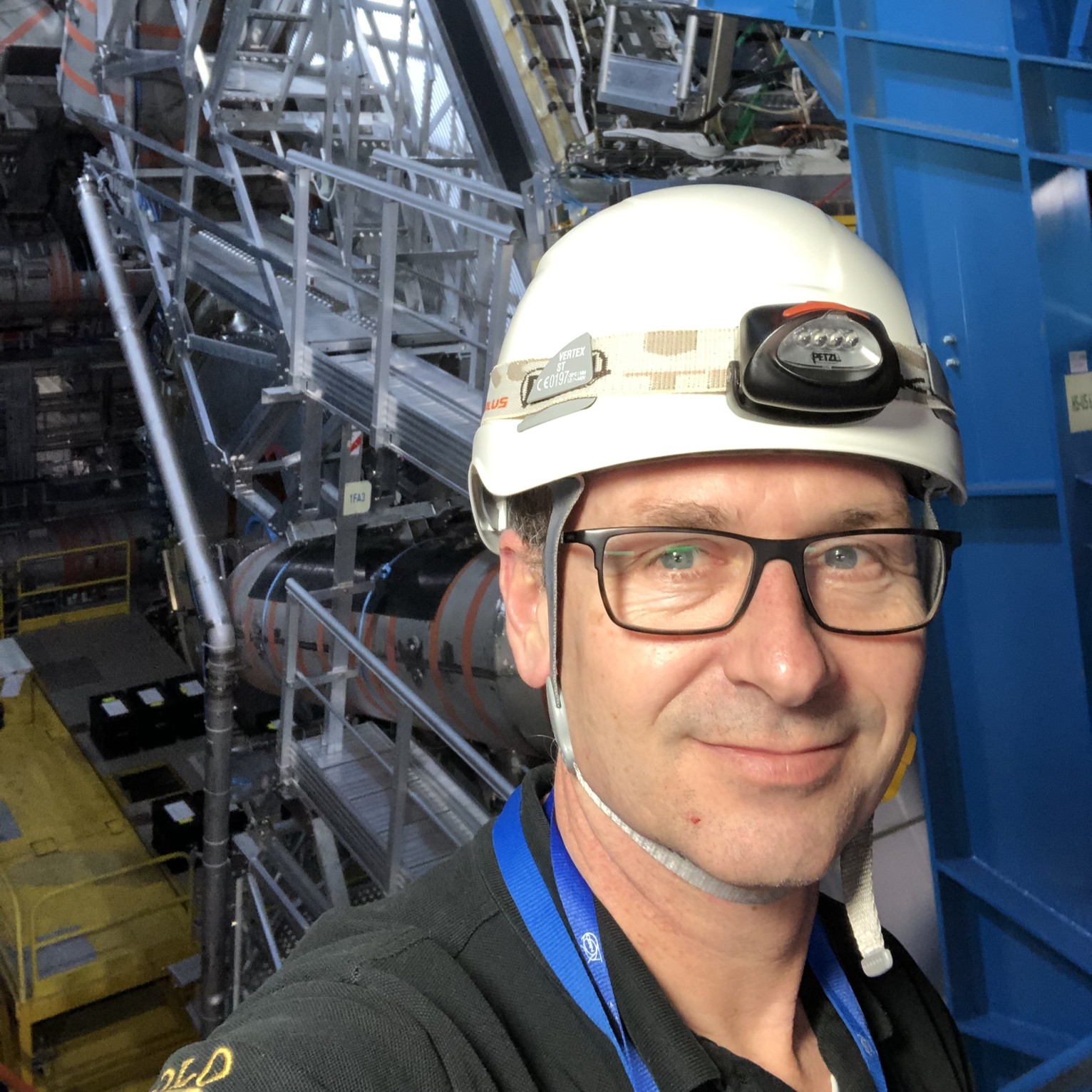
From personal experience, I found that working on ATLAS at CERN when I was much younger was far easier than inspecting it years later. Accessing difficult areas and performing tasks in awkward positions — sometimes even upside down — is much better suited to the young.”
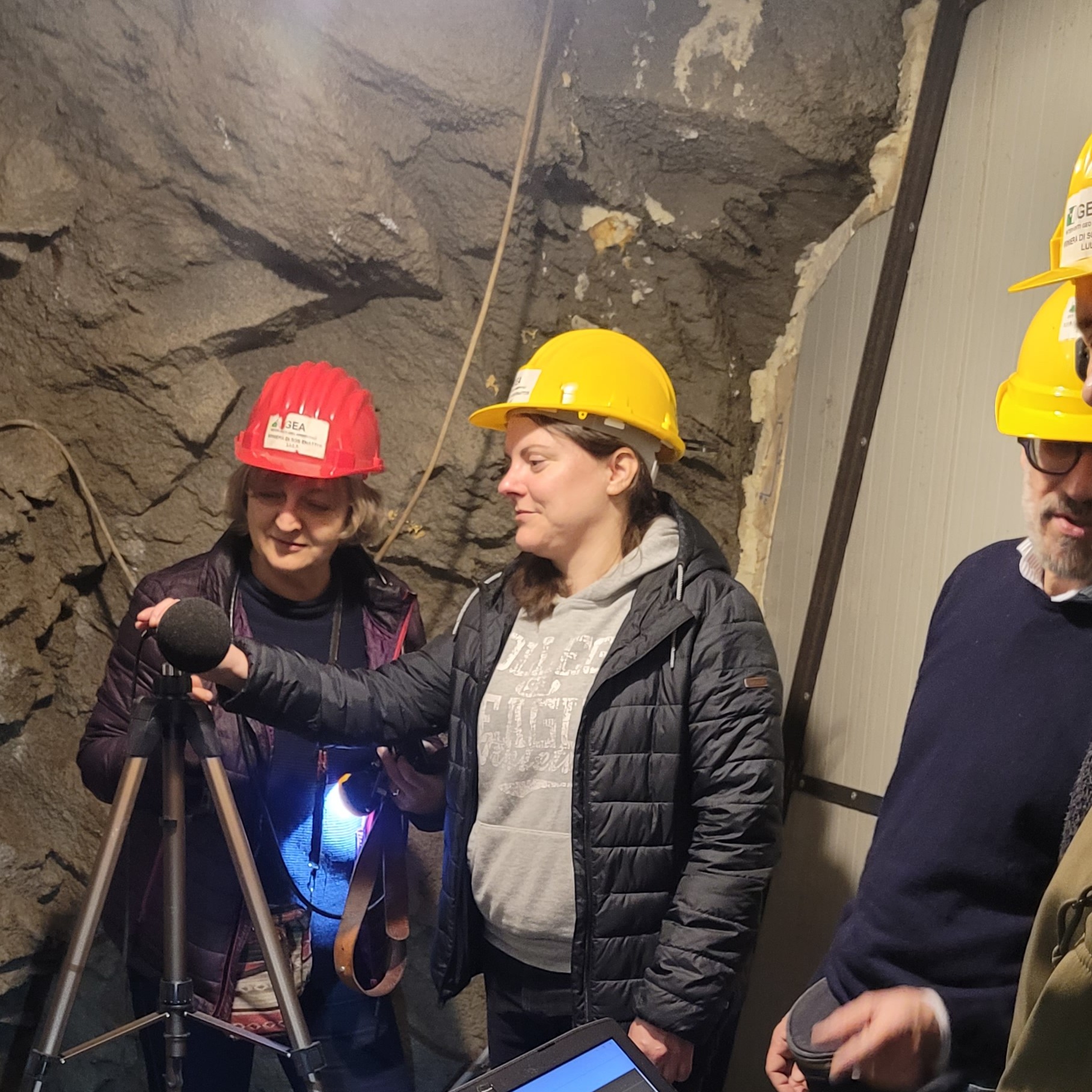
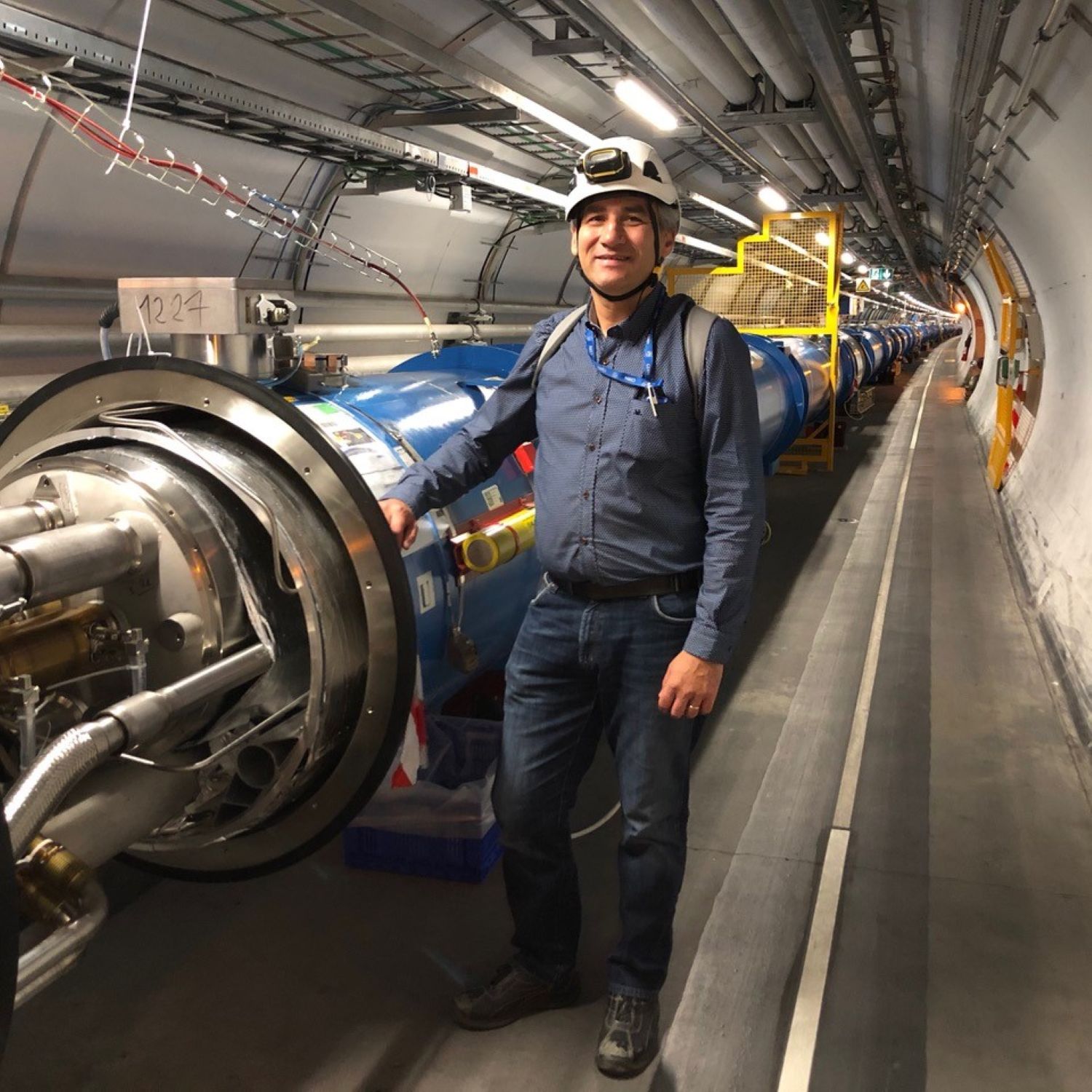
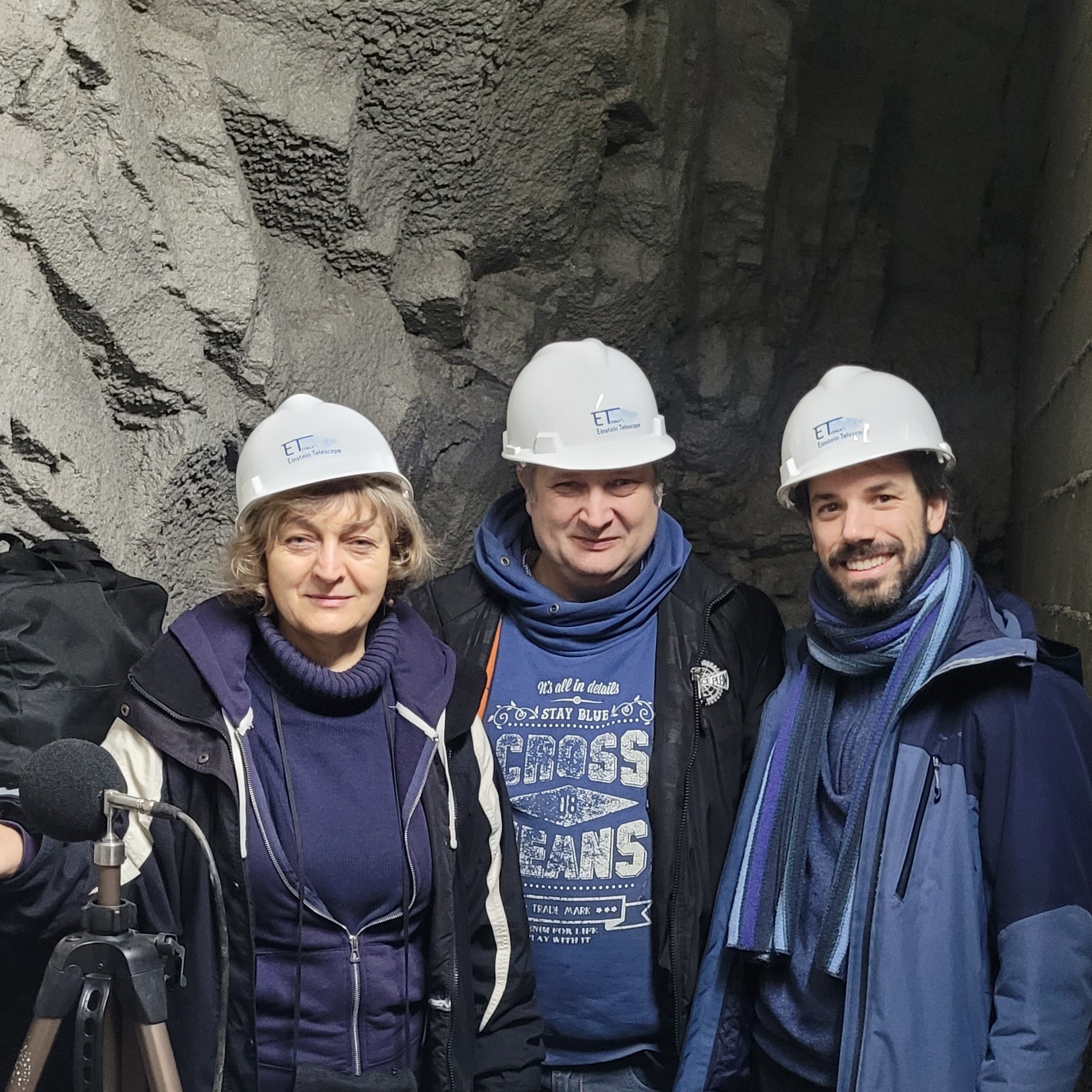
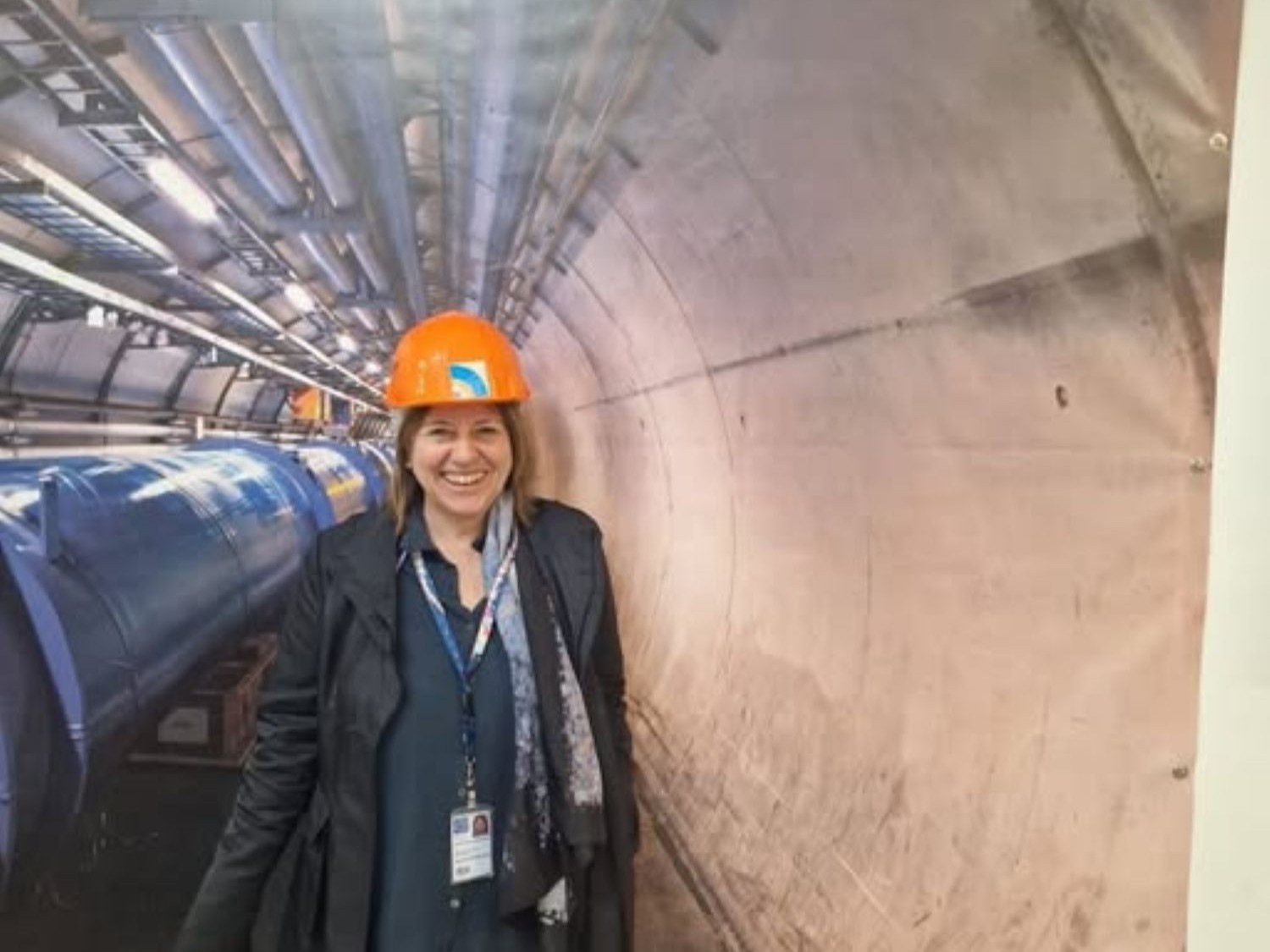
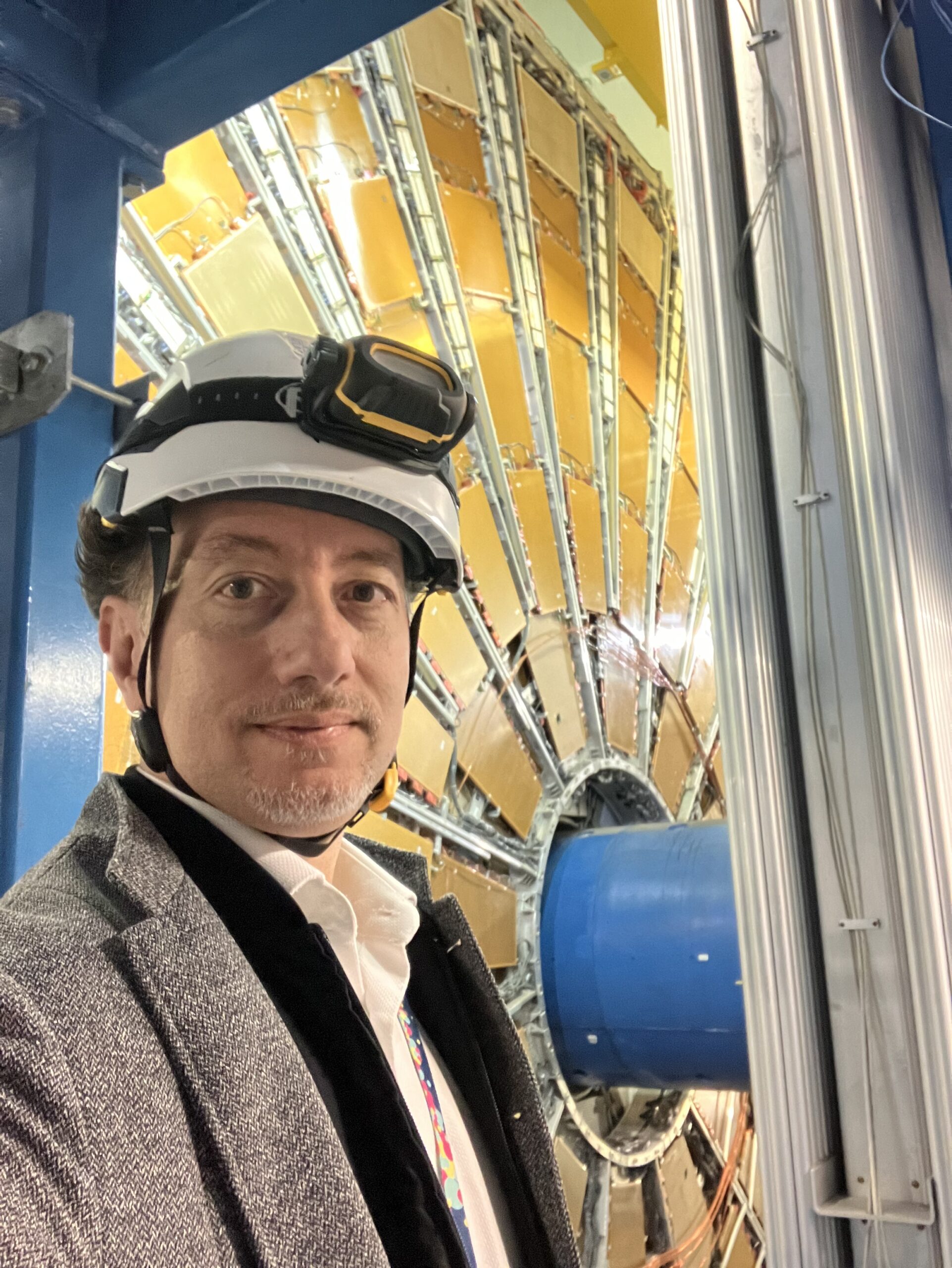
While science drives the design, safety defines it. The underground facility will integrate international best practices from both underground science labs and major civil-engineering projects.
“The Einstein Telescope will be built to protect not only its delicate instruments,” says Saverio La Mendola, Leader of the Occupational Health & Safety Group at CERN HSE unit, “but above all the people who will enter its tunnels, caverns, and access shafts. Safety in such a facility is a challenge that begins in the design phase and continues every day of its operation. It relies on robust safety engineering — resistant structures, complex ventilation, multiple evacuation routes, constant safety monitoring — but equally on the people themselves. A strong safety culture, clear procedures, good housekeeping and regular training are what turn infrastructure into a safe workplace.”
“As scientists and engineers push the limits of what’s possible,” Jean-Philippe adds, “requirements evolve, demanding constant innovation and adaptability. Every component, from the deepest tunnel to the most advanced technology, must be designed, integrated and built to meet the demands of the scientific community”.
Everyone who works underground, whether for an hour, a shift, or a few days at a time, must feel safe in their environment. Saverio continues: “This kind of innovative facility also pushes us to think about the future. Robotics, for example, already used for surveying at CERN’s LHC, are now being explored for the Future Circular Collider to take on roles such as firefighting or even helping with evacuations. These possibilities highlight a simple truth: in the Einstein Telescope, as in every great scientific project, the pursuit of knowledge always goes hand in hand with the protection of people.”
Underground work has long been associated with excavation and heavy infrastructure, often under harsh conditions. “During my visits to closed mines”, says Maria Marsella, associated to INFN and professor at Sapienza University of Rome, “I observed the challenging conditions workers face in confined, humid, and dusty environments — it’s a stark contrast to the clean, controlled atmosphere in the underground CERN labs. For the ET project, the challenge lies in building a highly specialized facility with delicate instrumentation, requiring exceptional safety and environmental standards”.
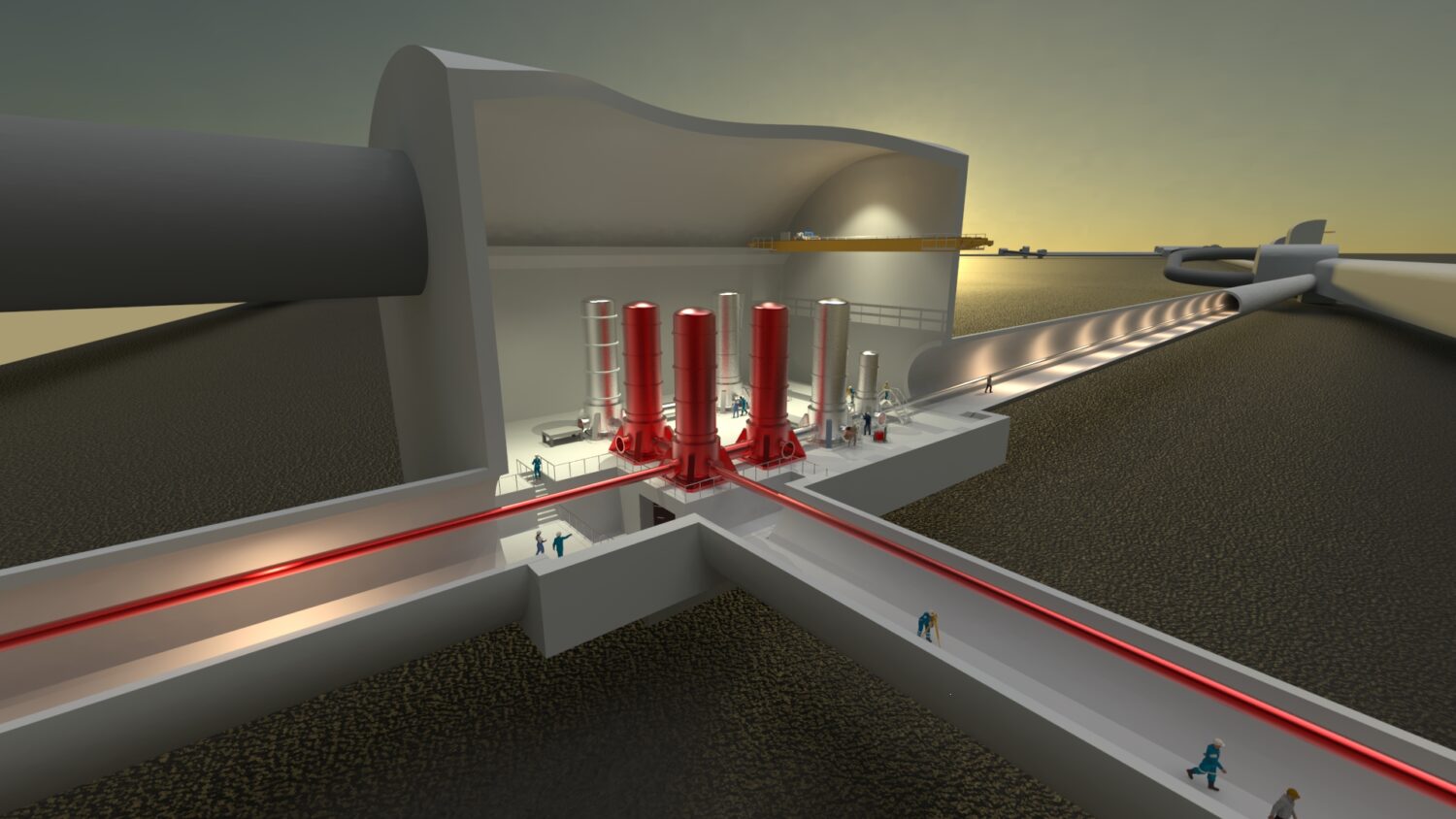 Impression of the underground structure of the Einstein Telescope by Marco Kraan, Nikhef.
Science is built on instruments, but it is carried out by people. Working underground is not like working in a normal lab — it has its own atmosphere, routines, and challenges. For some, the underground environment sharpens focus and creates a sense of teamwork. For others, it requires adjustment to the absence of daylight and the unique acoustics of enclosed rock caverns.
Jean-Philippe Tock: “Stepping into an underground tunnel at CERN is like entering another world. Your day begins with strict security checks — authorisation and safety training are non-negotiable. Then, you descend in a massive lift, reaching the “minus 1” level a hundred metres below the surface. Once underground, the journey to your workspace can take up to an hour, whether you walk, bike, or use a specialised vehicle. Here, preparation is everything: every tool, component, and document must be at hand before you arrive. The environment is unlike any other — constant humidity and temperature, completely detached from the changing seasons above. In this extraordinary setting, precision and planning are not just important; they are essential.”
Patrick Werneke: My experience working underground has always been exciting. Working on ATLAS felt like a huge adventure. I never had to struggle to adapt — physically or mentally — it just felt right. The complexity of the project made every day a challenge, but a great one. There was never silence, only the constant hum of equipment and ventilation systems. And still, the sight of it all was overwhelming — a true wow moment.”
Cover photo: Andreas Freise