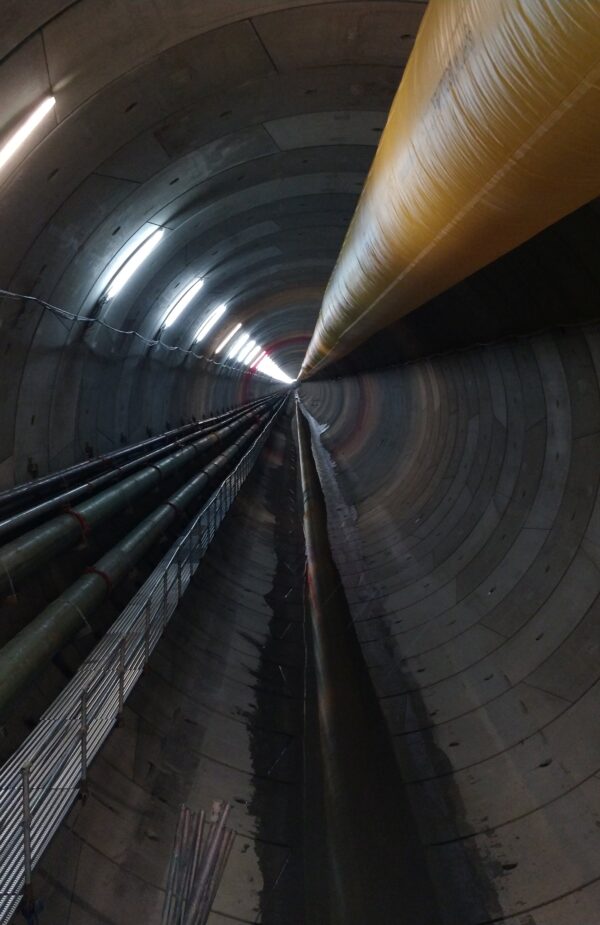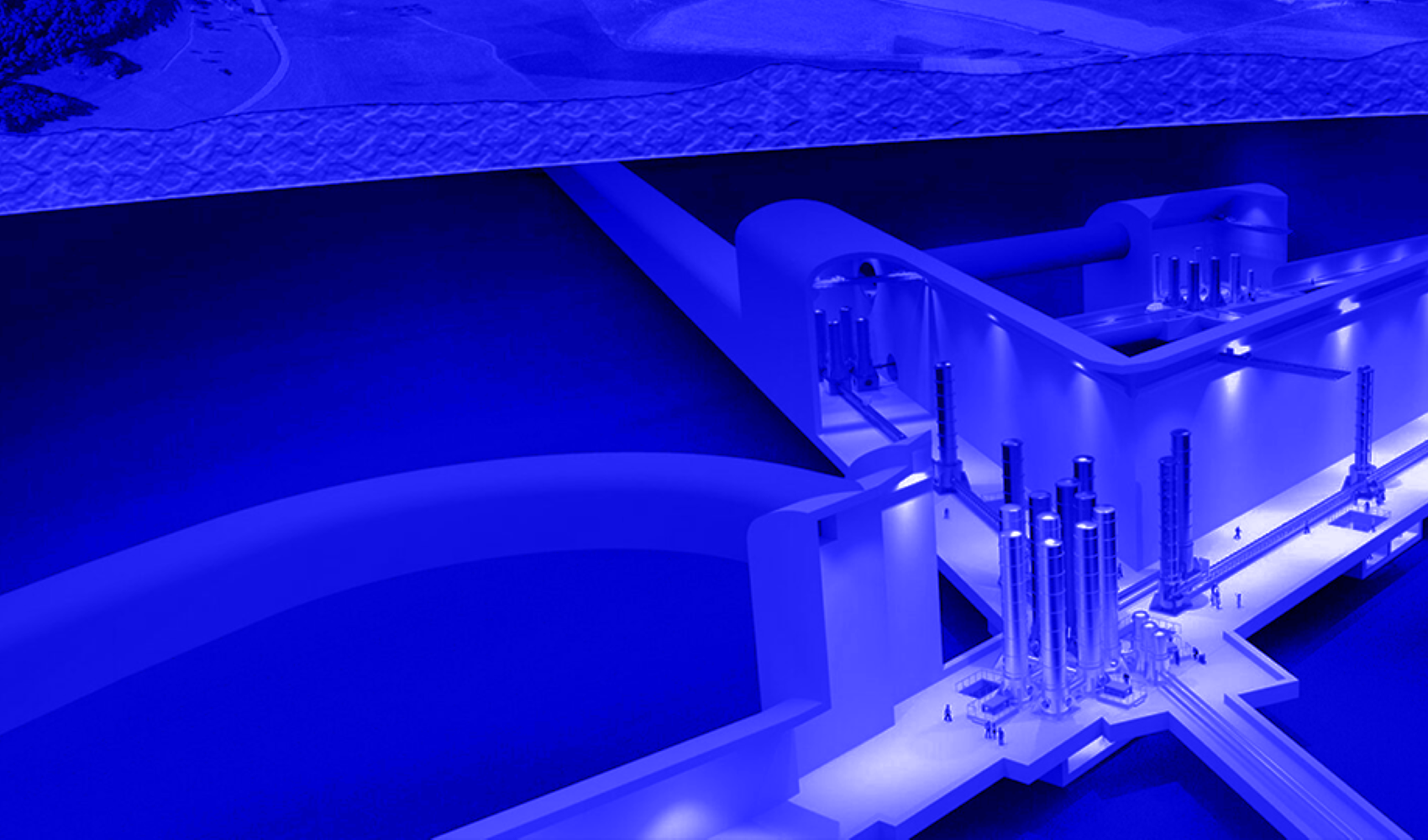
The Einstein Telescope (ET) is Europe’s future third-generation gravitational-wave observatory and one of the most ambitious planned research infrastructures. Designed to detect gravitational waves with unprecedented sensitivity, it will be built underground, around 200 to 300 metres below the surface, in order to reduce environmental disturbances and human-made vibrations. With arms 10 to 15 kilometres long, the observatory will use lasers and suspended mirrors to measure tiny distortions in space-time caused by cataclysmic cosmic events such as colliding black holes and neutron stars.
Thanks to this design, the Einstein Telescope is expected to detect far more gravitational-wave signals than current observatories and to explore them with much greater precision, opening new possibilities for studying black holes, neutron stars, the early Universe and fundamental physics.
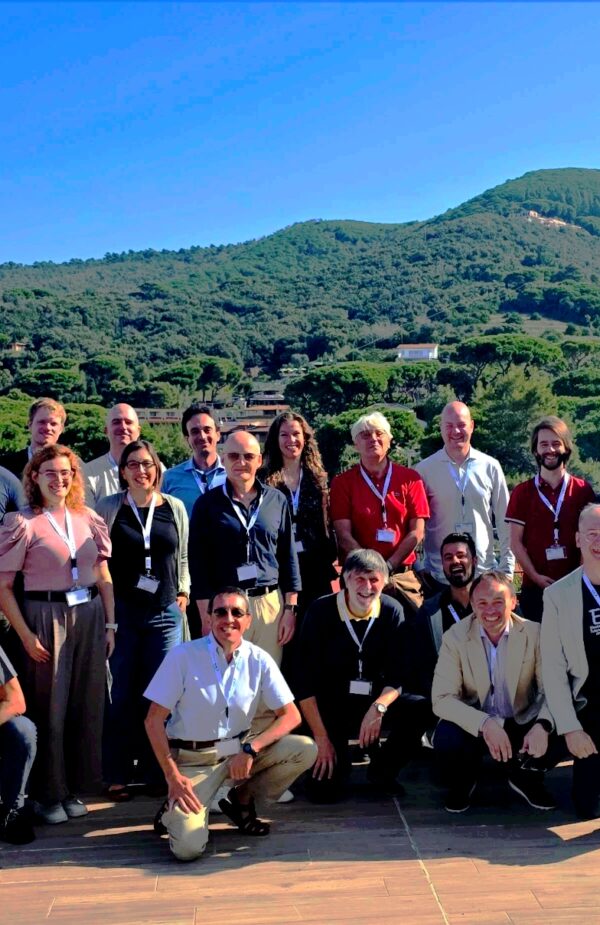
The Einstein Telescope Collaboration has grown rapidly in recent years and now brings together more than 2,000 members organised in 97 research units across 34 countries. Today ET is entering a decisive phase, shaped by scientific, technical and organisational challenges that will define its future.

Michele Maggiore is a theorist with long-standing experience in gravitational-wave science dating back to the mid-1990s. He has served as co-chair of the ET’s Observational Science Board since 2020, co-coordinated The Science of the Einstein Telescope Blue Book, and has been a member of the ET Steering Committee and later the Executive Board since 2019. He has also created and led the research unit of the Geneva group in Switzerland.
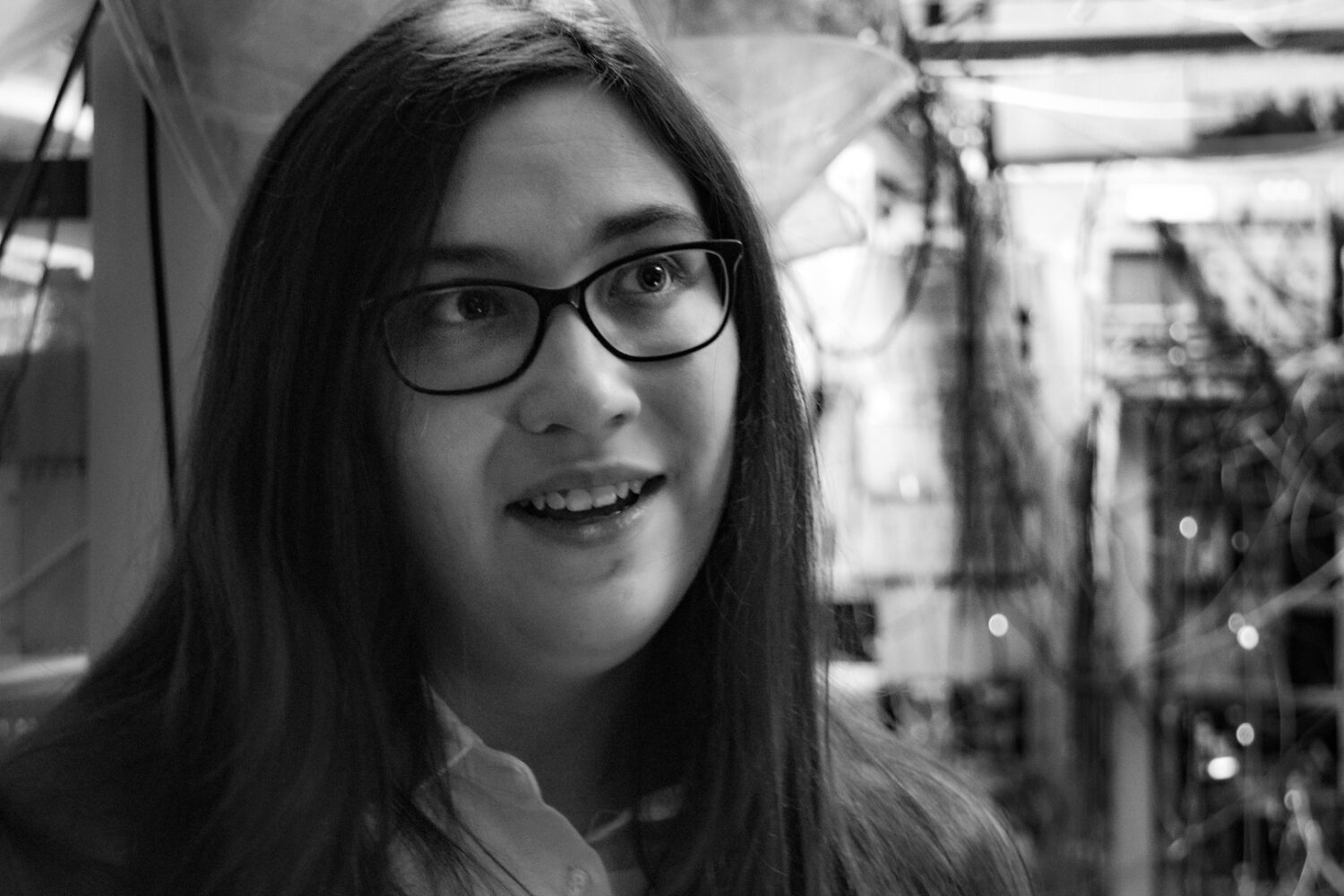
Angélique Lartaux is an instrumentalist with experience in gravitational-wave experiments since the mid-2010s. She has served as co-chair of the Squeezed Light Working Group since 2025, contributed to the preliminary Detector Technical Design Report, and has led the IJCLab research unit in France since 2022. She is also a member of the ET Early Career Support Committee, a role she has held since 2024, reflecting a strong commitment to supporting the next generation of scientists within the Collaboration.
The new spokesperson team takes office as ET continues to strengthen its role in the European and global scientific landscape. “We are honoured by the trust placed in us by the Collaboration,” says Michele Maggiore. “The Einstein Telescope is entering a decisive phase, in which the Collaboration must help inform major choices on detector geometry, site selection and the transition from the preliminary Technical Design Report to a full Technical Design Report. Our priority will be to ensure that these steps are guided by the highest standards of scientific correctness, transparency and technical ambition.”
“The Einstein Telescope is, above all, a collective scientific adventure built by a diverse and dedicated community,” says Angélique Lartaux. “I am particularly committed to helping ensure that this community remains welcoming, and that early-career researchers find in ET a place where they can contribute, grow and thrive scientifically.”
The Collaboration warmly acknowledges the innovative and essential work carried out by the previous spokesperson team, Michele Punturo and Deputy Spokesperson Harald Lück, during their mandate — and long before it — and thanks them for their unwavering dedication to the Einstein Telescope.