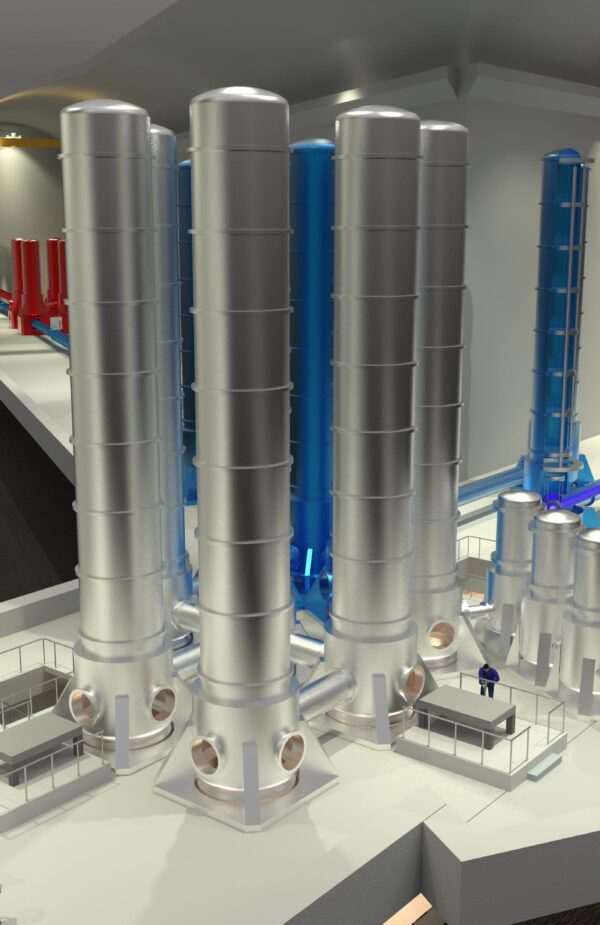
The preparatory phase of the Einstein Telescope (ET) project has been selected as one of the most promising outcomes of Germany’s national prioritisation process for large-scale research infrastructures.
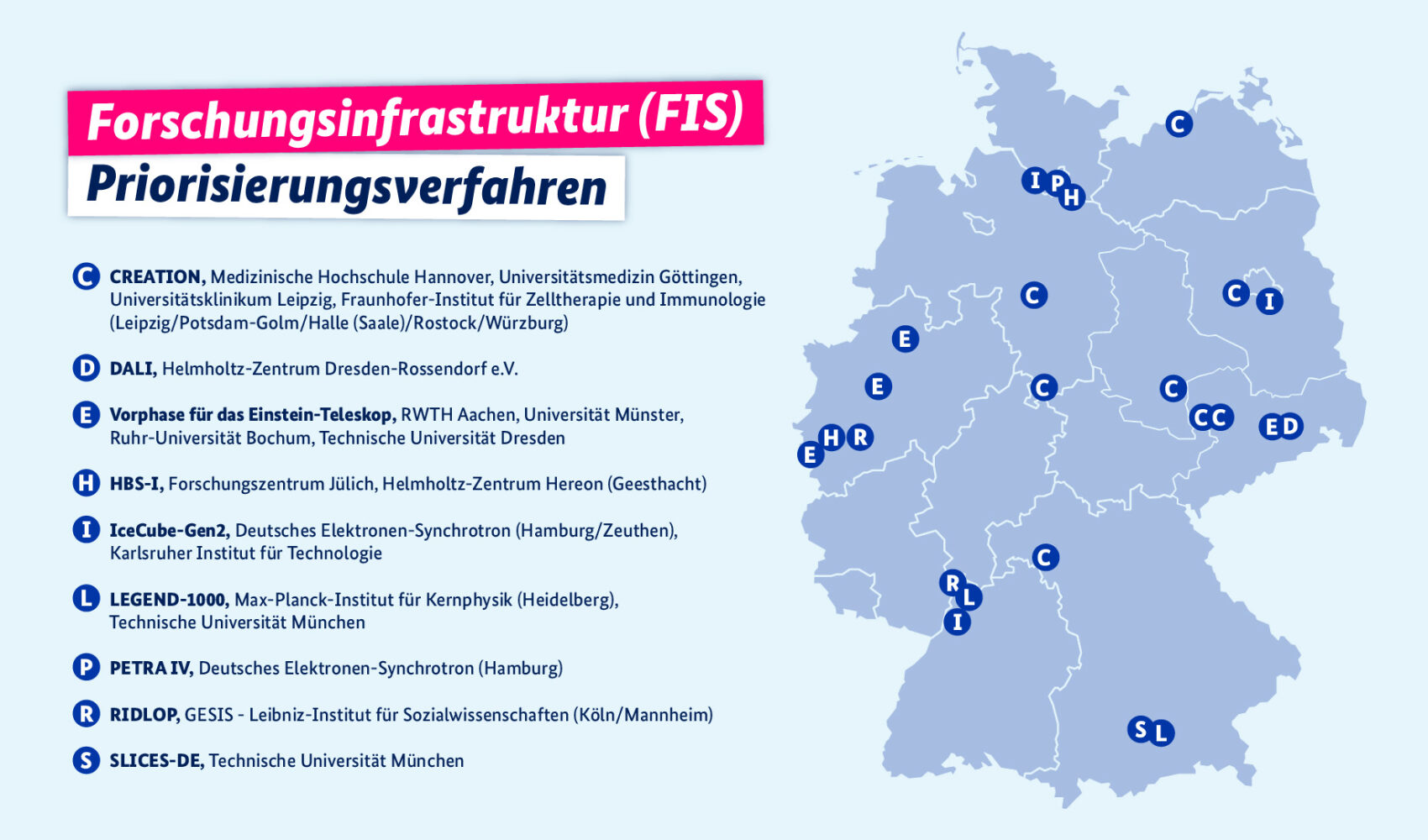
Federal Research Minister Dorothee Bär, together with the Science Council and representatives of the evaluation committees, has presented the shortlist of the most promising projects from the national prioritisation process for large-scale research infrastructures. The preparatory phase for ET is one of the nine selected projects with correspondingly high international relevance.
Federal Research Minister Bär said: “With bold investments in research and innovation, we are laying the foundation for remaining internationally competitive in the future. Research infrastructures play a key role here. With the decision in favour of a research infrastructure, we are setting a far-reaching strategic and financial course that will have an impact on Germany’s innovative strength. In doing so, we are making an important contribution to tomorrow’s prosperity and also strengthening the technological and digital sovereignty of Germany and Europe. The selected infrastructures meet the highest standards of scientific excellence and planning maturity. I would like to express my sincere thanks to everyone involved for their important work in this process!”
“We are delighted that the Einstein Telescope convinced the reviewers. We will now forge ahead with preparatory work and develop a solid basis for realising the project. This decision gives us the freedom we need to carry out this extensive work. We would like to thank everyone involved for their confidence in our team and our project”, said Prof. Dr Michèle Heurs, speaking on behalf of the German ET coordination team. Prof. Heurs is a professor at Leibniz University Hannover and a lead scientist at the German Centre for Astrophysics (DZA), DESY. She also represents Germany in the Forum of National Representatives of the international ET collaboration.
The original statement and backgrounds are also shared on the website of the German Einstein Telescope community.